
This describes a modern, high-performance tactical flashlight tailored for outdoor enthusiasts, campers, and emergency use. Flashlights with these specific combinations of features have become incredibly popular because they bridge the gap between heavy-duty searchlights and compact everyday carry (EDC) gear.
Here is a breakdown of what these marketing specifications mean in reality and what to look out for before heading into the wild with one:
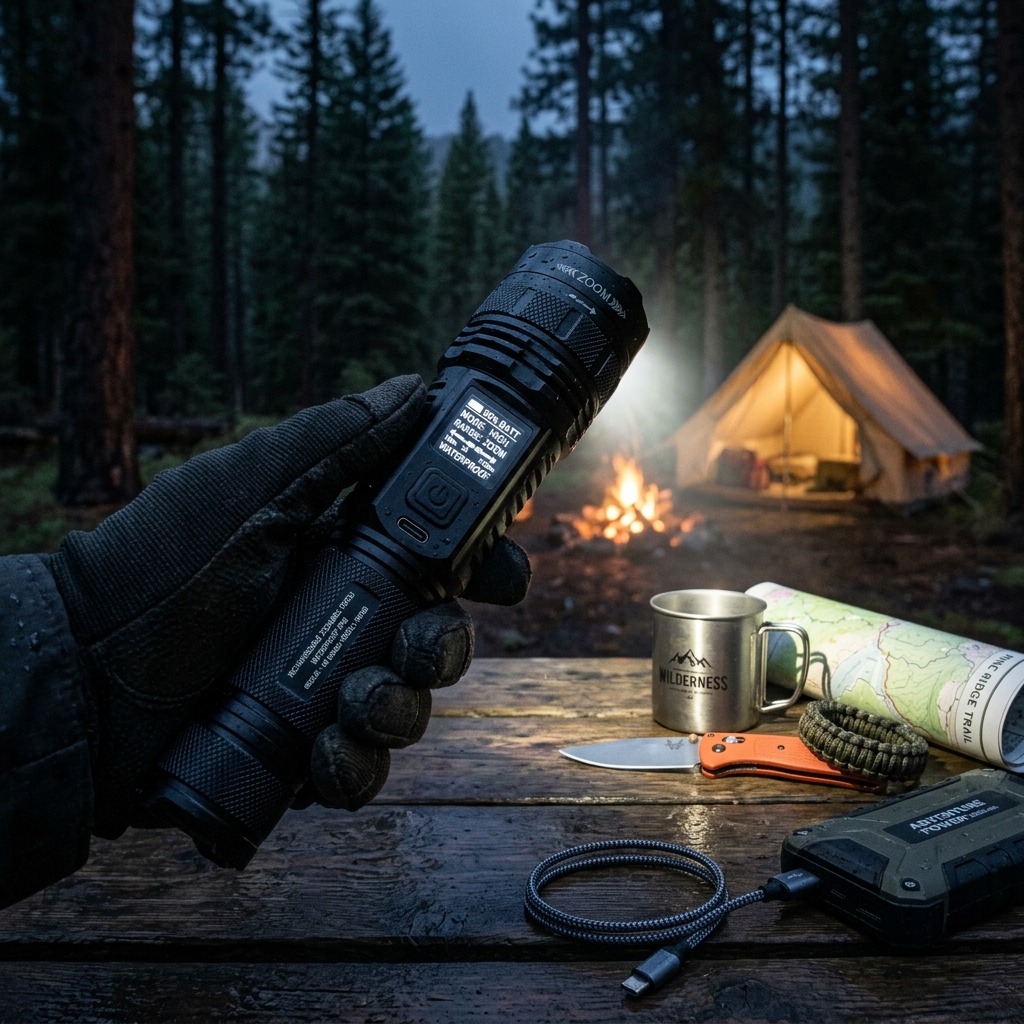
Feature Breakdown & What They Actually Mean
- LCD Display: This is a premium quality-of-life feature. Instead of guessing how much battery you have left based on a tiny blinking red light, these flashlights display an exact numeric percentage (e.g., 99%) or a multi-bar power grid. In the wilderness, knowing exactly how much runtime you have left is a massive safety advantage.
- Zoomable (Telescopic Focus): You can physically slide or twist the head of the flashlight forward or backward.
- Pushing it out creates a tight, narrow spotlight to see objects hundreds of yards away.
- Pulling it back creates a wide, even floodlight to illuminate an entire campsite or trail right in front of you.
- 3 Modes: Usually, this means High, Low, and Strobe/SOS. Keeping it on “Low” is standard practice for hiking to preserve battery life, while “High” is reserved for scanning large distances. Strobe is used to signal for help or disorient an aggressive animal.
- Waterproof: Typically rated at IPX4 (splash-proof from any angle, okay in heavy rain) or IPX6 (can handle powerful water jets, but cannot be submerged).
⚠️ The Reality Check: Marketing Claims vs. Real Performance
When buying online, these types of flashlights are notorious for wildly exaggerated claims. Here is how to spot the marketing fluff:
- The “100,000 Lumens” Myth: Many budget listings claim impossible brightness levels like 90,000 to 200,000 lumens. For context, a car headlight is about 1,500 lumens. A real, high-power handheld torch usually puts out between 1,000 and 4,000 real lumens, which is already blindingly bright.
- Heat Generation: High-power LEDs generate incredible amounts of heat. If you run the flashlight on its absolute highest setting, the aluminum body will get quite warm, and the internal circuit board will automatically step down the brightness after a few minutes to protect the LED from melting.
- The Zoom Trade-off: While zoomable lenses are highly versatile, the moving parts make them slightly less waterproof than fixed-lens flashlights. Dust and moisture can sometimes get sucked into the lens mechanism over years of heavy outdoor use.
Pros and Cons for Camping
| Pros | Cons |
| No Guesswork: The LCD screen eliminates the anxiety of a flashlight suddenly dying in pitch blackness. | Weight: High-power models usually require larger 26650 or 21700 batteries, making them noticeably heavier in a backpack than standard plastic lights. |
| USB Output (Power Bank Feature): Many of these rechargeable models allow you to plug your phone into the flashlight to siphon its battery in an emergency. | Charging Time: Large capacity batteries can take several hours to fully charge from 0% to 100%. |
| Heavy-Duty Build: Usually machined from aircraft-grade aluminum, meaning they can double as a blunt defense tool if needed. | Lumen Drop: Peak brightness usually drops gradually as the battery percentage ticks down. |
Price Now: PKR 821.66 (Original price: PKR 2036.61, 60% off)
Related Posts
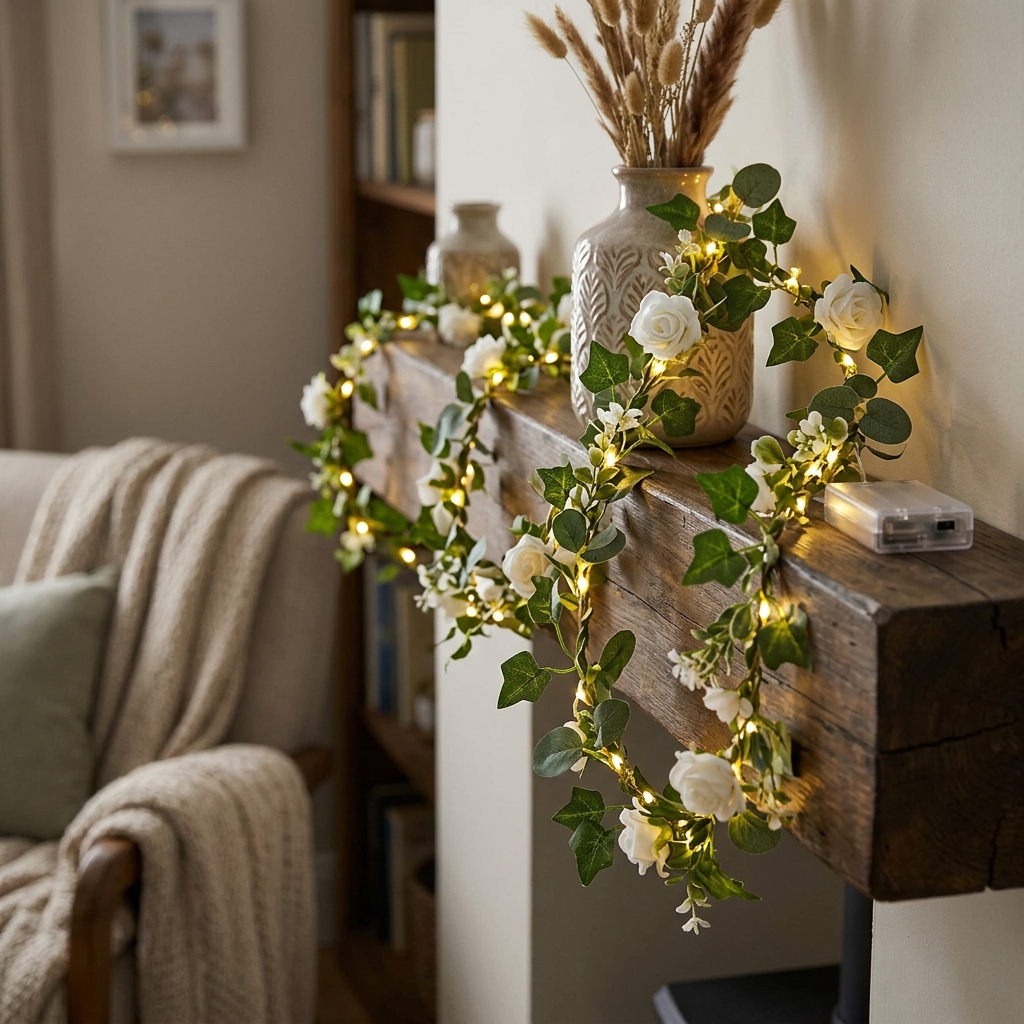
Flower Green Leaf String Lights Artificial Vine Fairy Lights Battery Powered Christmas Tree Garland Light for Weeding Home Decor
This describes a highly popular, budget-friendly decor trend: artificial ivy or floral…
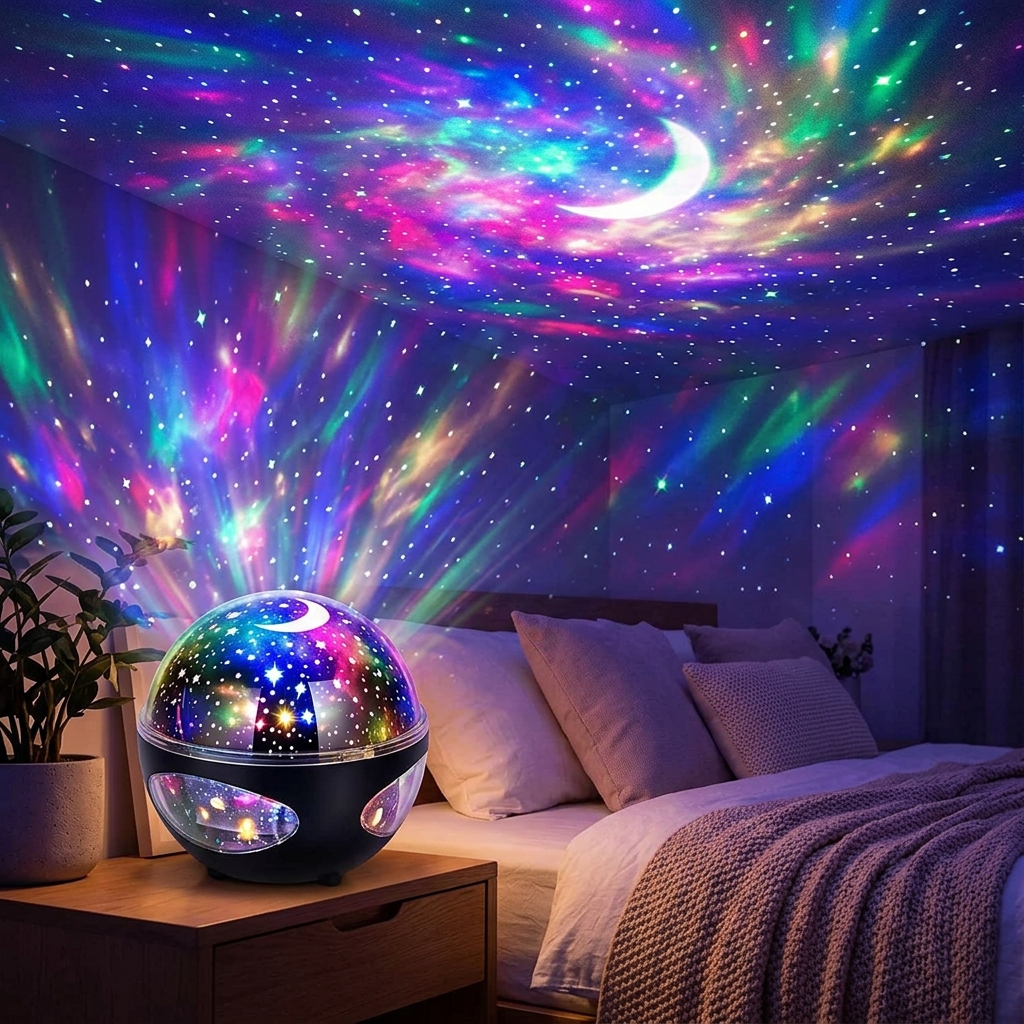
Colorful LED Starry Sky Projector Galaxy Light Magic Ball Moon Star Night Light Bedroom Atmosphere Lamp For Home Decoration
This describes one of the most popular mood-lighting gadgets on the market:…
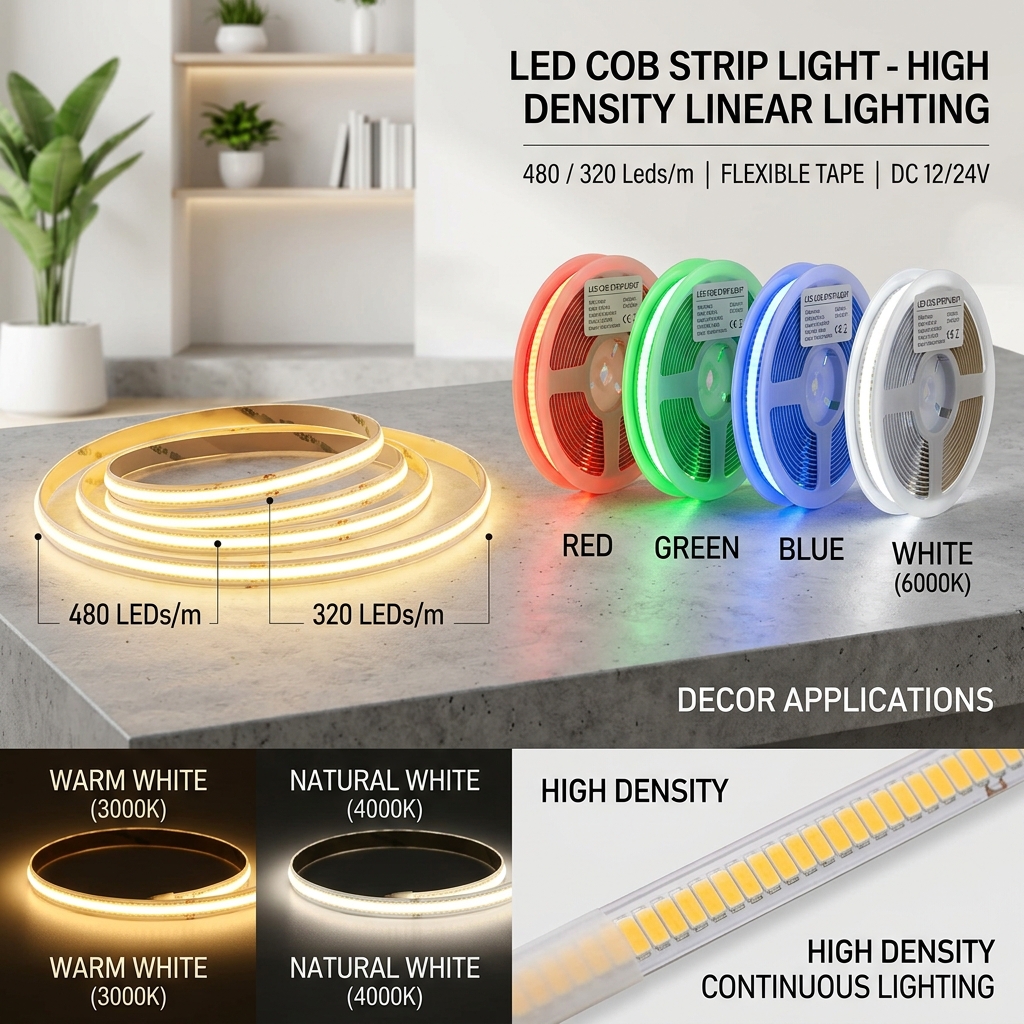
LED COB Strip Light High Density Linear Lighting 480/320Leds/m Flexible Tape Warm Natural White Red Blue Green Decor DC12 24V
This looks like a standard product listing title for a COB (Chip-on-Board)…