
Wireless motion sensor night lights are fantastic additions to a home, offering hands-free illumination exactly when and where you need it. They typically feature a passive infrared (PIR) sensor that detects motion within a specific range, ensuring you never have to fumble for a light switch in the dark.
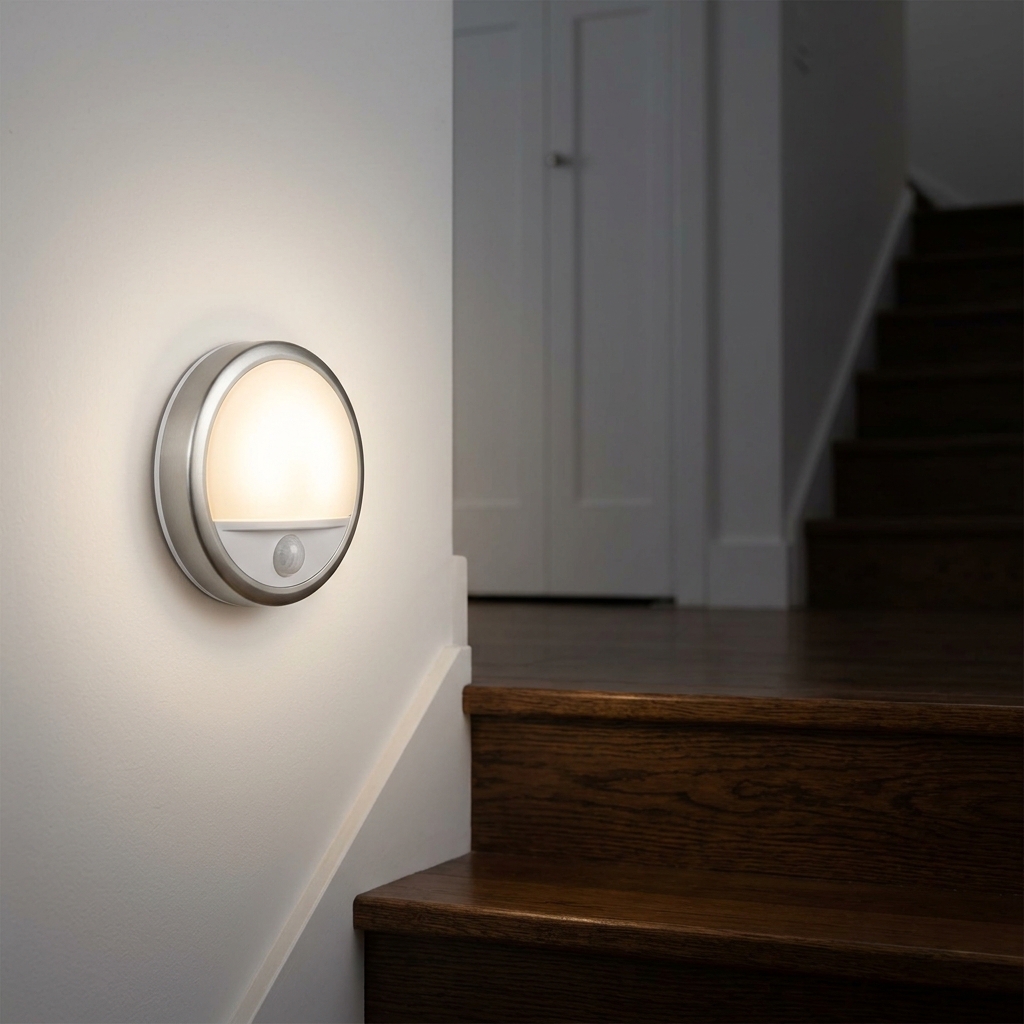
Here is a breakdown of how these versatile lights work, their key features, and the best places to install them.
Puck-style motion sensor lights ideal for closets and small spaces. Source: Excel Store
Key Features to Consider
Most modern LED detector lamps come equipped with several standard, highly convenient features:
- Dual Sensors: They combine a motion sensor (turns on when movement is detected) with a light sensor/photocell (prevents the light from turning on during daytime, saving battery life).
- Auto Shut-off: The light typically stays on for 15 to 30 seconds after movement stops, conserving power.
- Easy Installation: Usually wireless, they stick to surfaces using built-in magnets, adhesive iron sheets, or small screws—meaning no messy wiring or electrician required.
- Power Options: Most versions are either powered by standard AAA batteries or feature a USB rechargeable battery that can last for weeks or months on a single charge in “Auto” mode.
Best Placement Ideas Stick-on LED bars perfect for under-cabinet or staircase lighting. Source: Clopal Electric
Because these lamps require zero wiring, you can place them virtually anywhere to enhance safety and home decor:
- Staircases: Place them low on the wall next to the steps to illuminate your path safely at night without waking up the whole house with bright overhead lights.
- Closets & Wardrobes: Stick them directly under shelving or on the ceiling of a dark closet so you can easily see your clothes.
- Bedrooms: Mount one low to the ground near the side of the bed. It acts as a guide if you need to get up in the middle of the night.
- Hallways & Bathrooms: Great for guiding guests or children safely through high-traffic pathways during the night.
Pro Tip: When installing, make sure the circular sensor bubble is facing outward toward the direction of foot traffic. If it’s tucked away or facing a wall, it won’t detect your movement until you are right on top of it.
Price Now: PKR 829.04 (Original price: PKR 2052.30, 60% off)
Related Posts
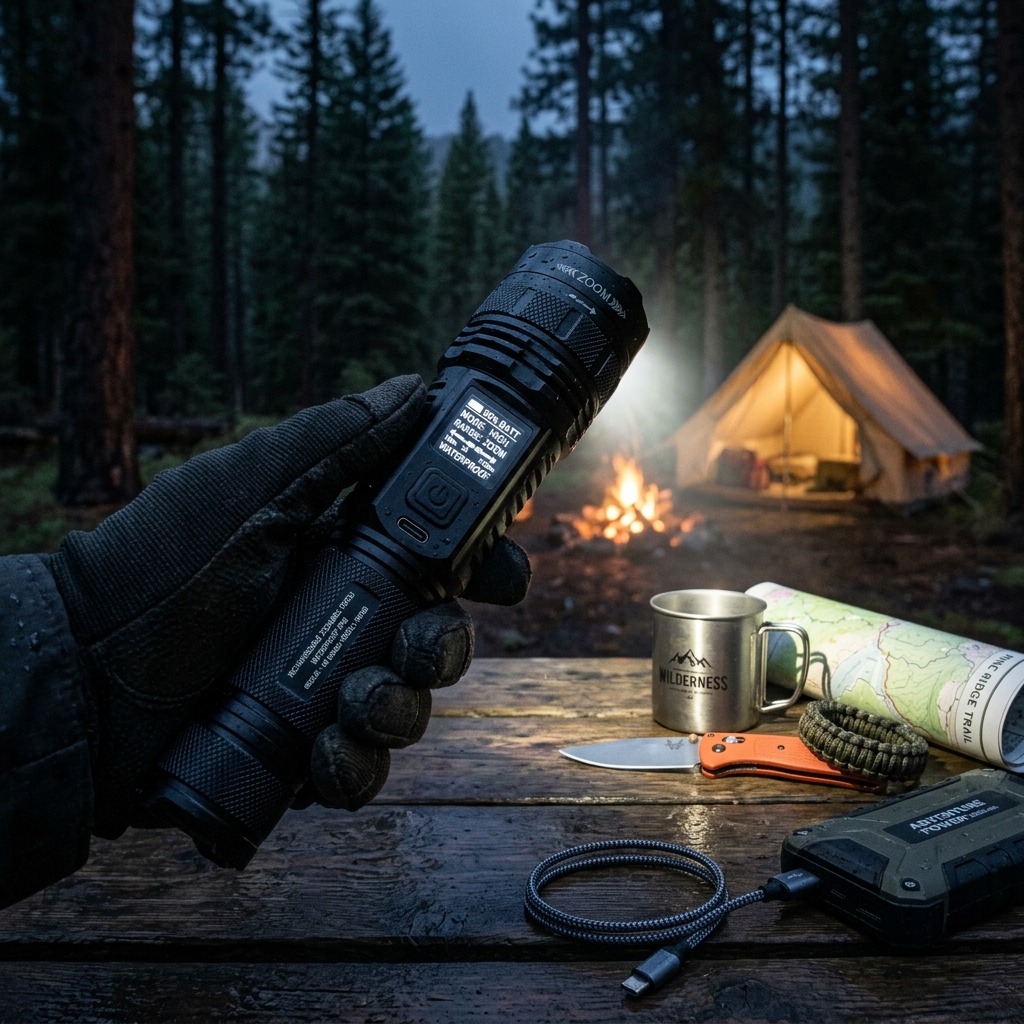
Rechargeable LED Flashlight Zoomable Torch with LCD Display 3 Modes Waterproof High Power Hand Light Outdoor Wilderness Camping
This describes a modern, high-performance tactical flashlight tailored for outdoor enthusiasts, campers,…
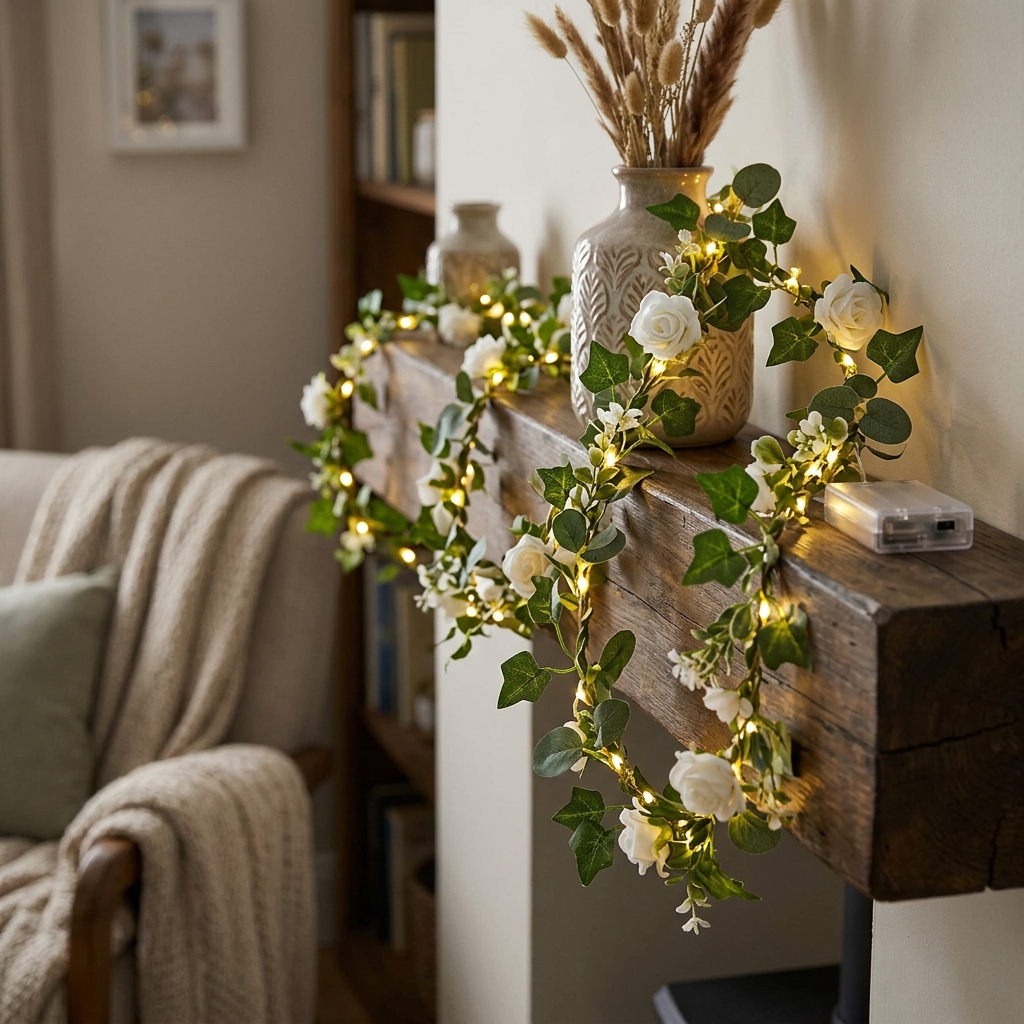
Flower Green Leaf String Lights Artificial Vine Fairy Lights Battery Powered Christmas Tree Garland Light for Weeding Home Decor
This describes a highly popular, budget-friendly decor trend: artificial ivy or floral…

Flashlight Green Blue Red Laser Pointer Indication Light for Meeting Classroom Torch Light RGB
This listing describes a multi-functional 3-in-1 RGB Laser Pointer and Flashlight combo…